
 Sandblasting and Surface Treatment
Steel Grit
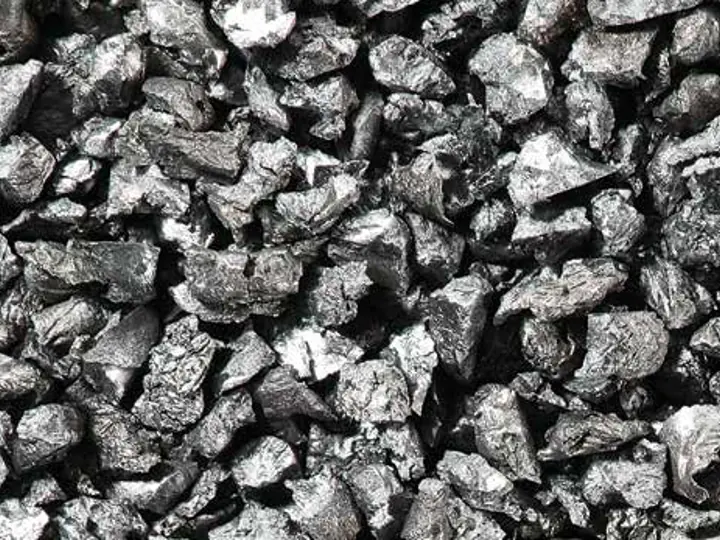
Angular structure, aggressive cleaning, profile before coating
Steel grit is an angular metallic abrasive produced with a martensitic structure. After heat treatment, its hardness can be adjusted in tempering furnaces from about 63 HRC down to 40 HRC, so that the right hardness can be selected for the job.
The basic rule is this: the abrasive should be at least 3–5 HRC harder than the surface being blasted. A softer grit extends blasting time, makes the desired cleanliness harder to reach and increases labour and energy costs. The right choice of hardness and grain size therefore directly affects process cost.
- Material
- Carbon steel (martensitic)
- Grain shape
- Angular
- Hardness
- 40 – 68 HRC (390 – 740 HV)
- Density
- 7.8 g/cm³
- Composition
- C 0.80–1.20%; Mn 0.35–1.20%; Si 0.40–1.50%
Get a quote for Steel Grit
Tell us the grain size and quantity, and our sales team will get back to you.
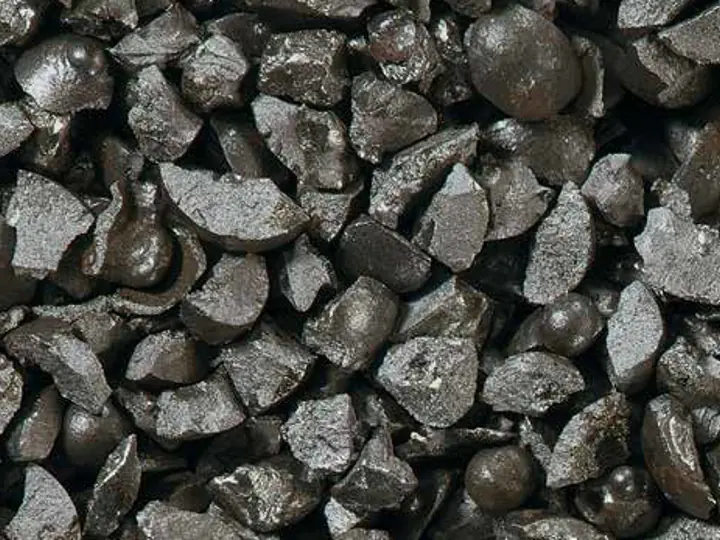
Steel Grit grain ranges
| Designation | Grain range (mm) |
|---|---|
| G 12 | 1.7 – 2.4 |
| G 14 | 1.4 – 2.0 |
| G 16 | 1.0 – 1.7 |
| G 18 | 0.7 – 1.4 |
| G 25 | 0.4 – 1.2 |
| G 40 | 0.3 – 1.0 |
| G 50 | 0.2 – 0.7 |
| G 80 | 0.1 – 0.4 |
| G 120 | 0.1 – 0.3 |
Steel Grit areas of use
- Foundries and forges
- Steel mills and rolling mills
- Shipyards
- Automotive and machinery manufacturing
- Railway sector
- Structural steel sector
- Granite sector
Which material and grain size suit your job?
Tell us your surface, blasting system and the quantity you need, and our sales team will get back to you.